

Otros efectos de guitarra
(36 productos)


-
-
-
-
-
-
-
- Artículo bajo pedido Entrega estimada en: 10 días laborables€119,00Precio por unidad /No disponible
-
- Artículo bajo pedido Pedido pendiente: Tiempo de entrega desconocido€119,00Precio por unidad /No disponible
-
-
-

-
- Artículo bajo pedido Pedido pendiente: Tiempo de entrega desconocido€80,00Precio por unidad /No disponible
-
- Artículo bajo pedido Pedido pendiente: Tiempo de entrega desconocido€80,00Precio por unidad /No disponible
-
- €4,00 descuentoArtículo bajo pedido Pedido pendiente: Tiempo de entrega desconocido€153,00
€157,00Precio por unidad /No disponible -
- Artículo bajo pedido Pedido pendiente: Tiempo de entrega desconocido€111,00Precio por unidad /No disponible
-
- Agotado
Way Huge Smalls Pork & Pickle Bass Overdrive
€241,00Precio por unidad /No disponible -
 Artículo bajo pedido Entrega estimada en: 10 días laborables€94,00Precio por unidad /No disponible
- Artículo bajo pedido Entrega estimada en: 10 días laborables€116,00Precio por unidad /No disponible
-
 Artículo bajo pedido Entrega estimada en: 10 días laborables€95,00Precio por unidad /No disponible
 Artículo bajo pedido Entrega estimada en: 10 días laborables€134,00Precio por unidad /No disponible
- Artículo bajo pedido Entrega estimada en: 10 días laborables€110,00Precio por unidad /No disponible
-
 Artículo bajo pedido Entrega estimada en: 10 días laborables€60,00Precio por unidad /No disponible
- Artículo bajo pedido Entrega estimada en: 10 días laborables€121,00Precio por unidad /No disponible
-
- Artículo bajo pedido Entrega estimada en: 10 días laborables€161,00Precio por unidad /No disponible
-
- Artículo bajo pedido Entrega estimada en: 10 días laborables€157,00Precio por unidad /No disponible
-
- Artículo bajo pedido Entrega estimada en: 10 días laborables€156,00Precio por unidad /No disponible
-
- Artículo bajo pedido Entrega estimada en: 10 días laborables€201,00Precio por unidad /No disponible
-
Zoom A1 Four Acoustic Effects Pedal
Artículo bajo pedido Entrega estimada en: 11 días laborables€150,00Precio por unidad /No disponible-
Zoom GCE-3 Guitar Lab Audio Interface
Artículo bajo pedido Entrega estimada en: 11 días laborables€121,00Precio por unidad /No disponible-
- Artículo bajo pedido Entrega estimada en: 9 días laborables€94,00Precio por unidad /No disponible
-

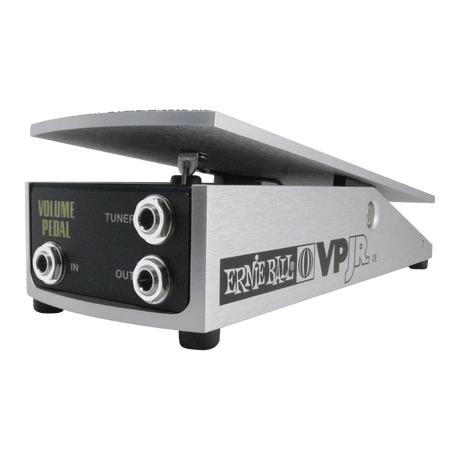
Ernie Ball EB-6181 Volume Pedal 25K Jr.
Artículo bajo pedido Entrega estimada en: 9 días laborables€147,00Precio por unidad /No disponible
Ernie Ball EB-6166 Volume Pedal
Artículo bajo pedido Entrega estimada en: 9 días laborables€221,00Precio por unidad /No disponible













Read about Otros efectos de guitarra
Read about Otros efectos de guitarra
Other Guitar Effects – An In-Depth Guide for Advanced Players
For guitarists, tone is not just about the instrument itself but also the effects used to shape and expand the musical landscape. Beyond well-known distortion effects like overdrive and distortion, a wide range of other guitar effects can add dimension, movement, and color to your sound. This article covers some of the most important effects, such as phaser, flanger, reverb, delay, fuzz, and more. We’ll dive into how these effects work and how you can integrate them into your pedalboard to create a unique and professional soundscape.
Phaser, Flanger, and Chorus – Create Movement in Your Tone
Modulation effects like phaser, flanger, and chorus add movement and texture to your guitar sound. Phaser effects work by splitting the signal and creating a phase shift between different parts of the sound. This produces a sweeping sound characteristic often used in both rhythm and lead playing. Phaser pedals are popular in rock, funk, and psychedelic music due to their ability to add dynamics and movement to an otherwise static signal.
Flanger effects are similar to phasers, but instead of just phase-shifting the signal, the flanger slightly delays part of the signal. This creates an intense, jet-like sound that can add drama to your guitar tone. The flanger can be used subtly to add depth or aggressively for a more pronounced effect, especially in rock and metal genres.
Chorus pedals double the signal and slightly alter the pitch of the duplicated sound, creating a wider, fuller tone. Chorus is popular in many genres, from pop to metal, and is used to create the illusion that multiple guitars are playing simultaneously. This can give clean tones a rich, almost shimmering quality.
Reverb and Delay – Add Depth and Space
One of the most widely used effects among guitarists is reverb. Reverb pedals simulate how sound reflects in a room, adding a sense of space and ambiance to your tone. Reverb can range from subtle, almost invisible room reflections to deep, echoing sounds. Many reverb pedals offer various room types, such as hall, plate, and spring, allowing you to tailor your sound depending on the atmosphere you want to create.
Delay effects are another essential tool for guitarists. Delay pedals repeat your signal with a specific time interval, creating echo effects. Depending on how the delay pedal is set up, it can be used for everything from subtle slapback, often heard in rockabilly, to long, drawn-out echoes that fill the sound space in atmospheric or experimental compositions. Some advanced delay pedals also offer tap tempo features, allowing you to sync the echoes with the rhythm of your music.
Wah, Fuzz, and Octave – Create Unique Tones
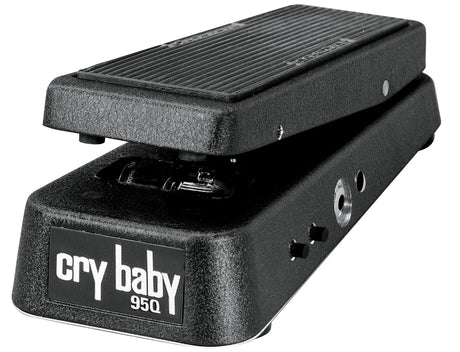
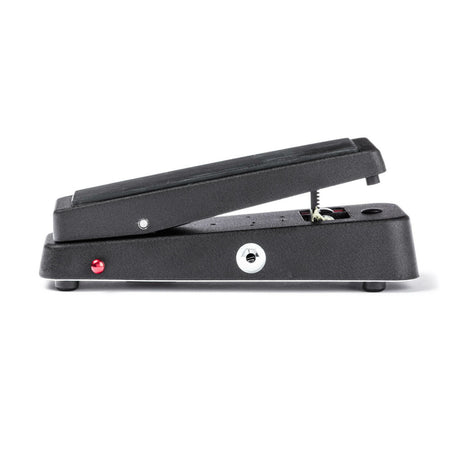
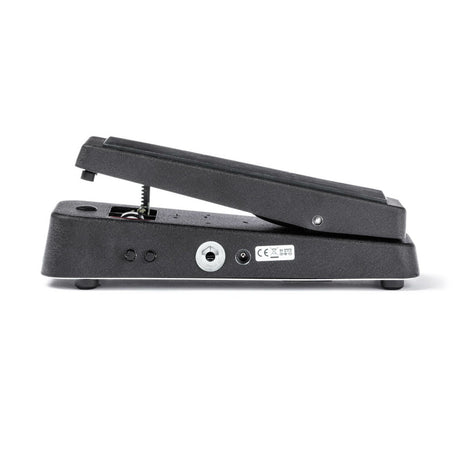
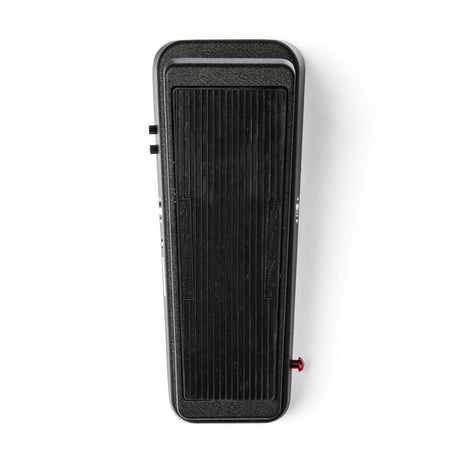
Wah pedals are known for their iconic "vocal-like" sound and are often used for solos and lead playing. A wah pedal works by filtering frequencies and changing the character of the tone as the pedal is moved. Many guitarists use wah pedals to create expressive, vocal-like phrasing, and they are essential in genres like funk, rock, and metal. Wah pedals have become iconic tools for guitarists such as Jimi Hendrix and Kirk Hammett.
Fuzz pedals differ from standard distortion pedals by creating an extreme form of distortion that often has a dirtier, more synth-like quality. Fuzz became popular in the 1960s and is still used today to create unique, aggressive tones. Fuzz pedals are ideal for guitarists looking for a distinctive, character-filled distortion that can't be achieved with traditional distortion pedals.
Another exciting effect is the octave pedal, which adds a note an octave higher or lower than your original sound. Octave pedals can be used to create thick, harmonic layers or to add depth to your tone. Many guitarists use them alongside fuzz or distortion to create a massive, droning sound, especially popular in genres like doom metal and experimental rock.
Multi-Effects Pedals and Combining Effects
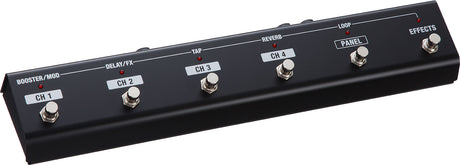
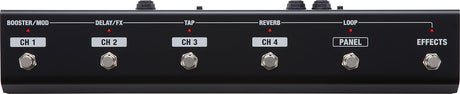
Multi-effects pedals are a fantastic solution for guitarists who want several effects in one compact unit. These pedals often combine everything from modulation effects like phaser and flanger to distortion, delay, and reverb. Multi-effects pedals are popular among guitarists who need flexibility and easy access to many different sounds without investing in numerous separate pedals. They are especially useful for live performers who need to switch between effects quickly.
Understanding how effects interact when chained together is essential when using multiple effects in your pedalboard. For example, reverb and delay are typically placed last in the chain, while wah and fuzz are often placed at the beginning. Properly placing your effects in the signal chain is crucial to achieving the best possible sound. Some guitarists experiment with changing the order of their effects to create unique tones, such as placing a flanger before distortion to create a more dramatic modulation effect.
How to Choose the Right Guitar Effects
Choosing the right other guitar effects depends on your playing style, the sound you want to create, and the genres you play. If you’re in a funk band, a combination of phaser, wah, and compression may be ideal. If you're more into ambient and atmospheric music, reverb, delay, and chorus may be essential for building expansive soundscapes. For metal guitarists, fuzz, octave, and heavy reverb often provide the keys to creating the desired heavy sound.
Also, consider whether you need individual control over each effect or if a multi-effects pedal is sufficient for your setup. A multi-effects pedal can be convenient and save space, but dedicated, individual pedals often offer more precise control and better sound quality. Whatever you choose, it’s essential to take the time to experiment with different effects and combine them to find the perfect sound for your music.
Understanding and mastering the use of different guitar effects can elevate your guitar playing to new heights. Whether you're after subtle modulation or intense distortion, a thoughtful approach to effects will help you shape your tone and create a sound that stands out. Invest in the right effects and let your creativity shine through sound.